Как оставяме следи в пространството и кога всъщност присъстваме? Открийте в изложбата „Доказателство за присъствие“ на Екатерина Иванова на 24.04. от 18:00ч. във Факултета по изобразително изкуство на ВТУ. How do we leave traces in space, and when are we truly present? Discover in the exhibition “Proof of Presence” by Ekaterina Ivanova on April 24 at 18:00 at the Faculty of Fine Arts at Veliko Tarnovo University.
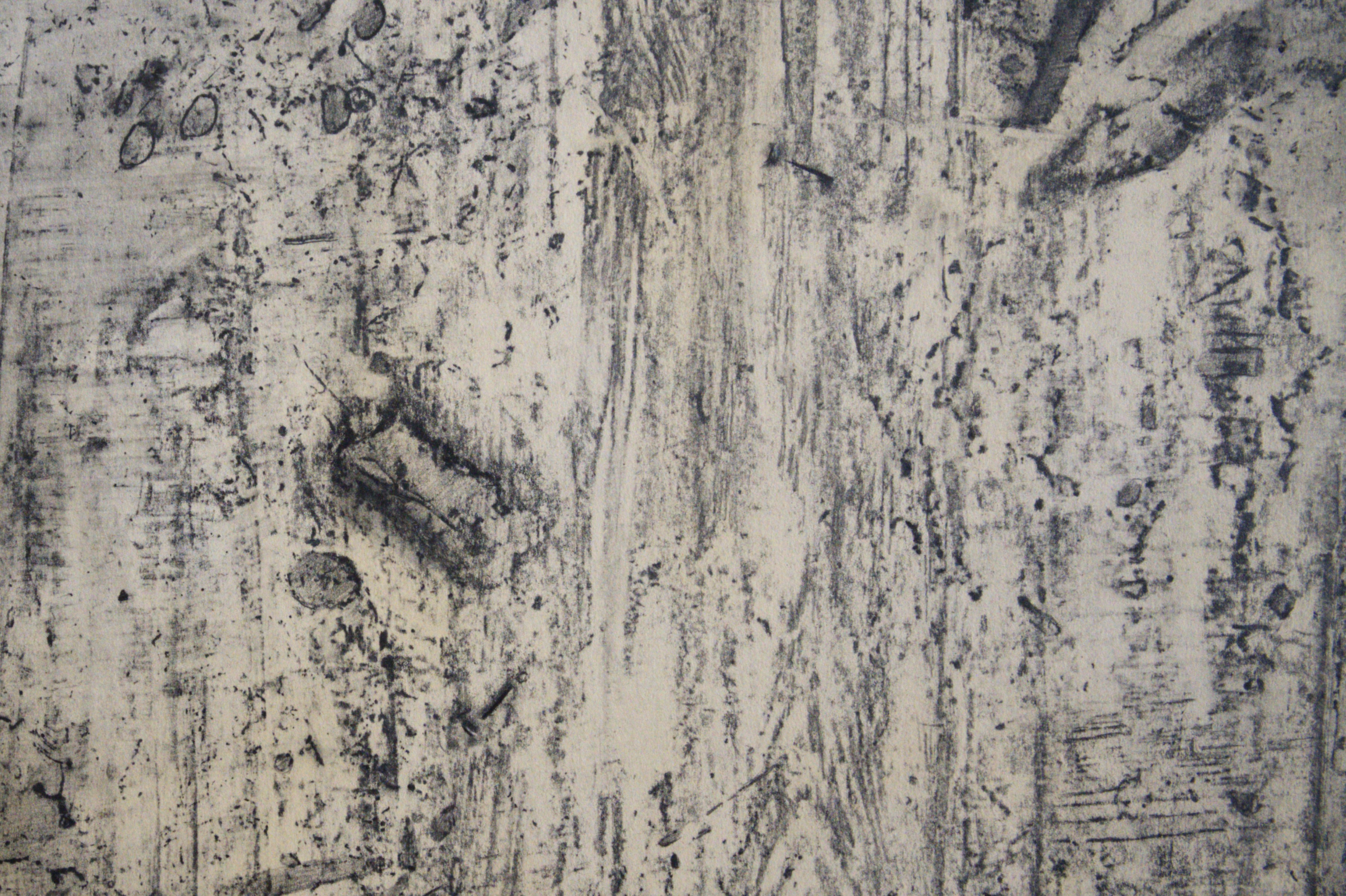
„Доказателство за присъствие“ продължава тема, разработвана през 2022-2024г. в произведението „Обекти в интерполе“. Отправна точка в серията полу-автоматични рисунки, изпълнени в техниката фротаж е установяване на релации между: субекта и неговото активно присъствие в конкретно (добре познато) пространство посредством наблюдение, съпоставка, отхвърляне и докосване на фрагменти от него; идентичността на изследваните обекти чрез опит за игнориране на вторичните (външни) белези като цвят, функция, историческа база и др.;
“Proof of Presence” continues a theme developed between 2022–2024 in the work “Objects in Interpole.” The starting point of this series of semi-automatic drawings, created using the frottage technique, is the establishment of relationships between the subject and their active presence within a specific (well-known) space—through observation, comparison, rejection, and the tactile engagement with its fragments; as well as the identity of the examined objects, approached through an attempt to ignore secondary (external) characteristics such as color, function, historical context, and others.
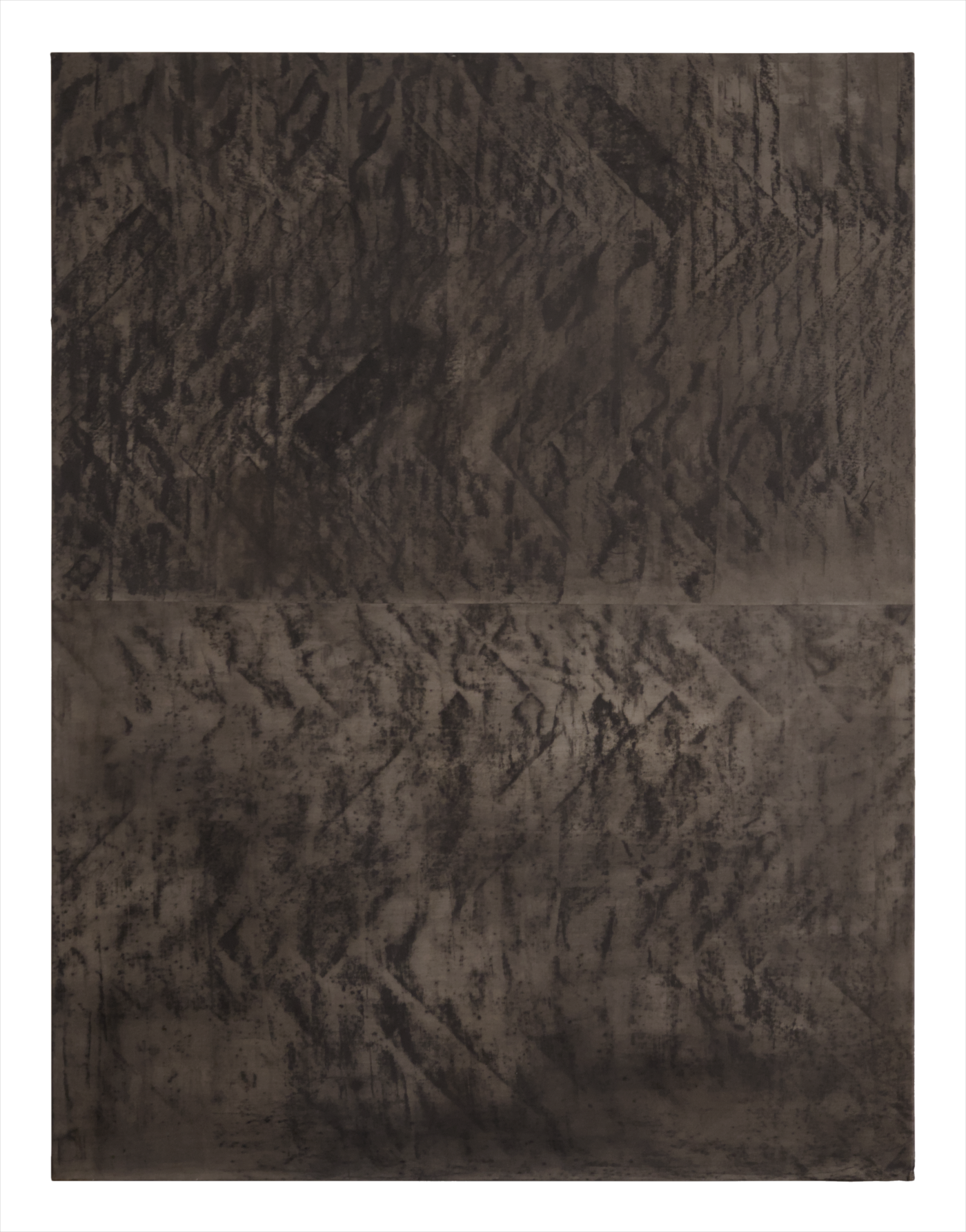
Опитът в конкретния случай използва сетивността като двустранно работещ инструмент – познаваме по-пълно, в оголен вид „тялото“ на пространството, в което битуваме и същото време утвърждаваме своето присъствие едва когато сме се насочили мисленето си в тази посока на познаване. В това фрагментирано архивиране, рисунката съдържа памет и за трета страна – времето и потенциално друг субект, пребивавал в конкретното място (чрез техните не/съзнателни действия и в резултат – оставени белези в пространството).
In this process, sensoriality functions as a two-way instrument: we come to know more fully, in a stripped-down form, the “body” of the space we inhabit, while at the same time affirming our own presence only once our thinking is directed toward this mode of knowing. Within this fragmented form of archiving, the drawing also holds the memory of a third presence—time, and potentially another subject who has inhabited the same space (through their conscious or unconscious actions, and the traces they have left behind).